Technology ·
“It isn’t artificial, it’s real intelligence”: the AI moderator in the operating room
At the 37th Congress an AI moderator discussed two hiatal hernia operations live with Prof. Francesco Corcione. What it did, what it got wrong and what the surgeon said about it.
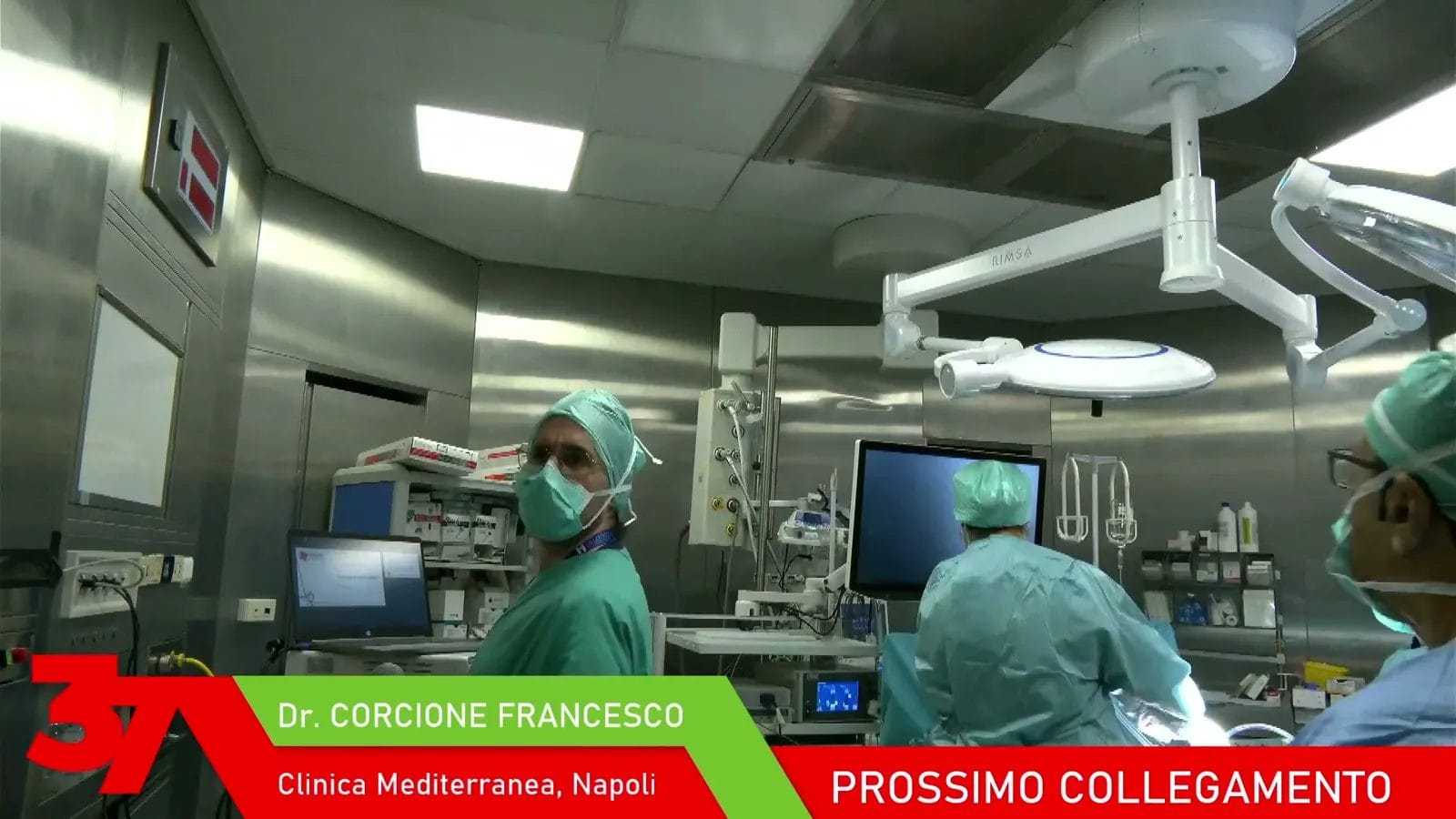
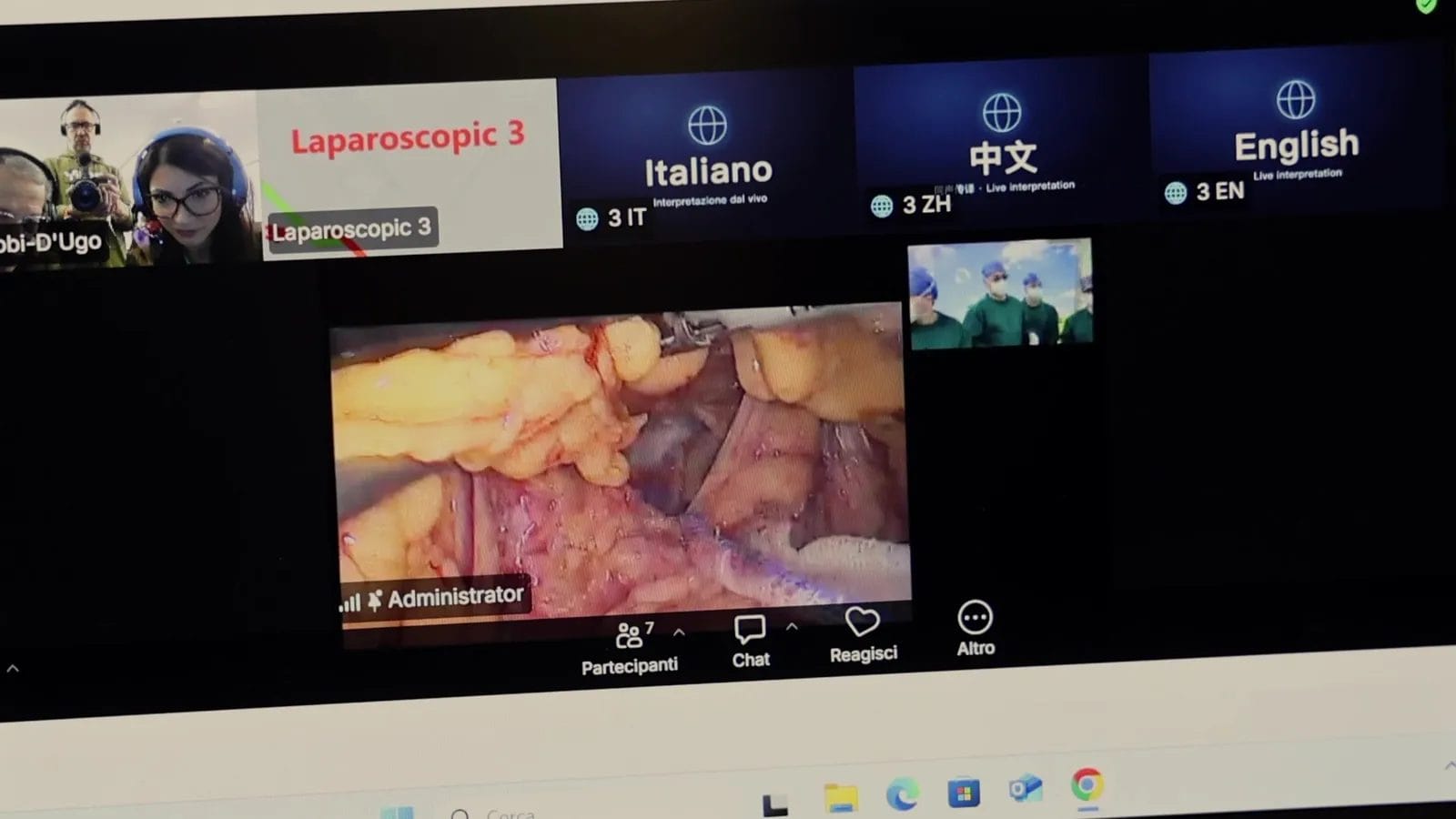
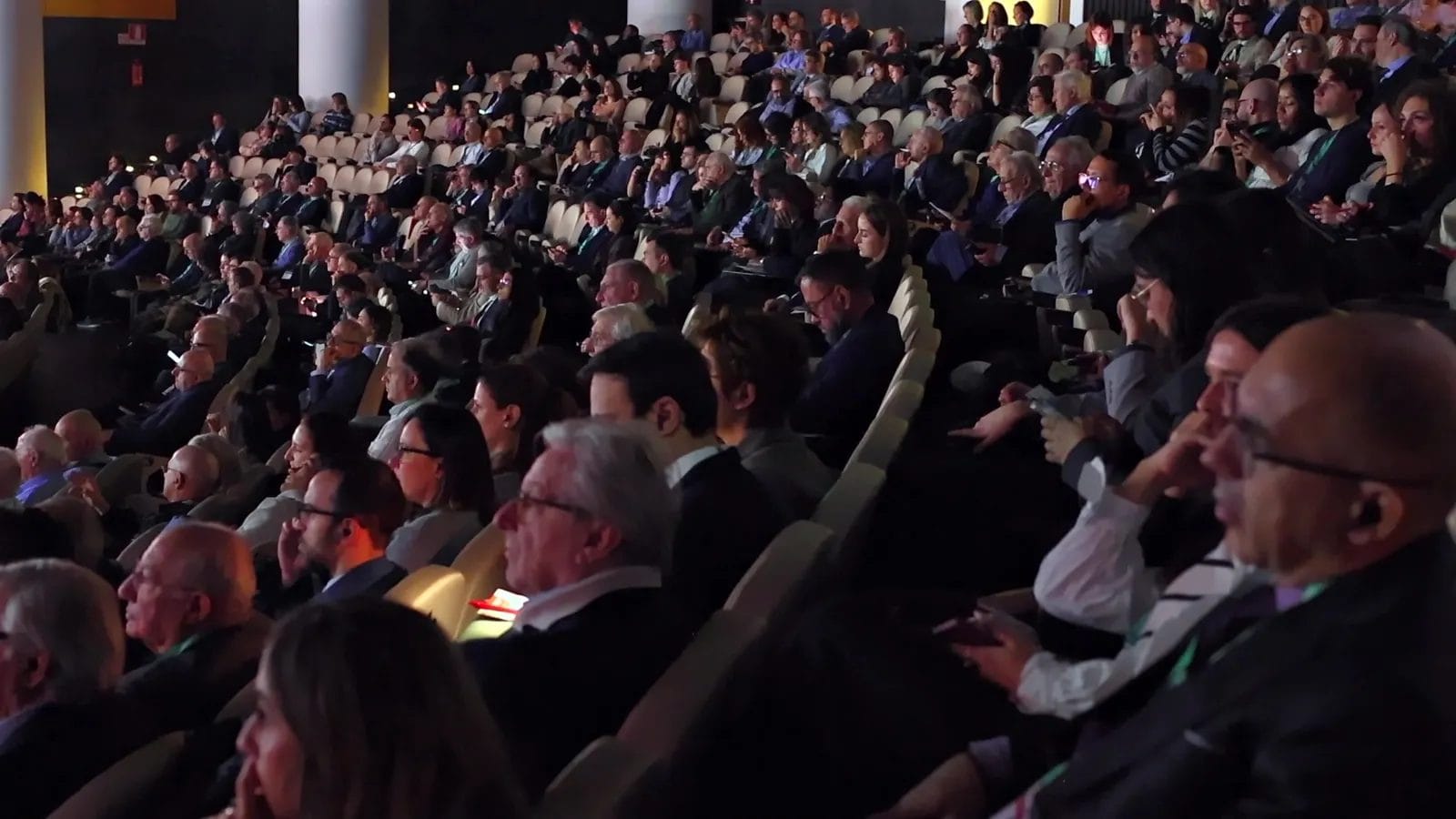
At the 37th Congress of Digestive Surgery, artificial intelligence did more than translate. On 13 November, during the live surgery of Prof. Francesco Corcione, connected from the operating room of Clinica Mediterranea in Naples, it joined the discussion as a moderator. Its name was Leda.
What an AI moderator does
Leda followed two of Prof. Corcione’s operations live: two complex hiatal hernias, one recurrent and one very large. It described what was happening on screen, recognised the instruments in use and asked the operating surgeon questions, as a colleague in the room would.
It did not just transcribe or summarise. It asked why a choice was made, steered the discussion to the key steps and answered questions on technique, for example on choosing between an absorbable and a non-absorbable mesh.
The surgeon’s reaction
After the AI moderator had described the dissection, Prof. Corcione said from the operating room (in Italian):
«I really like this artificial intelligence! Incredible, congratulations! It isn’t artificial, it’s real intelligence.»
And later, after the answer on the choice of mesh:
«It answered perfectly. It’s a “Corcionian” intelligence: it answered the way I would have.»
AI learns too
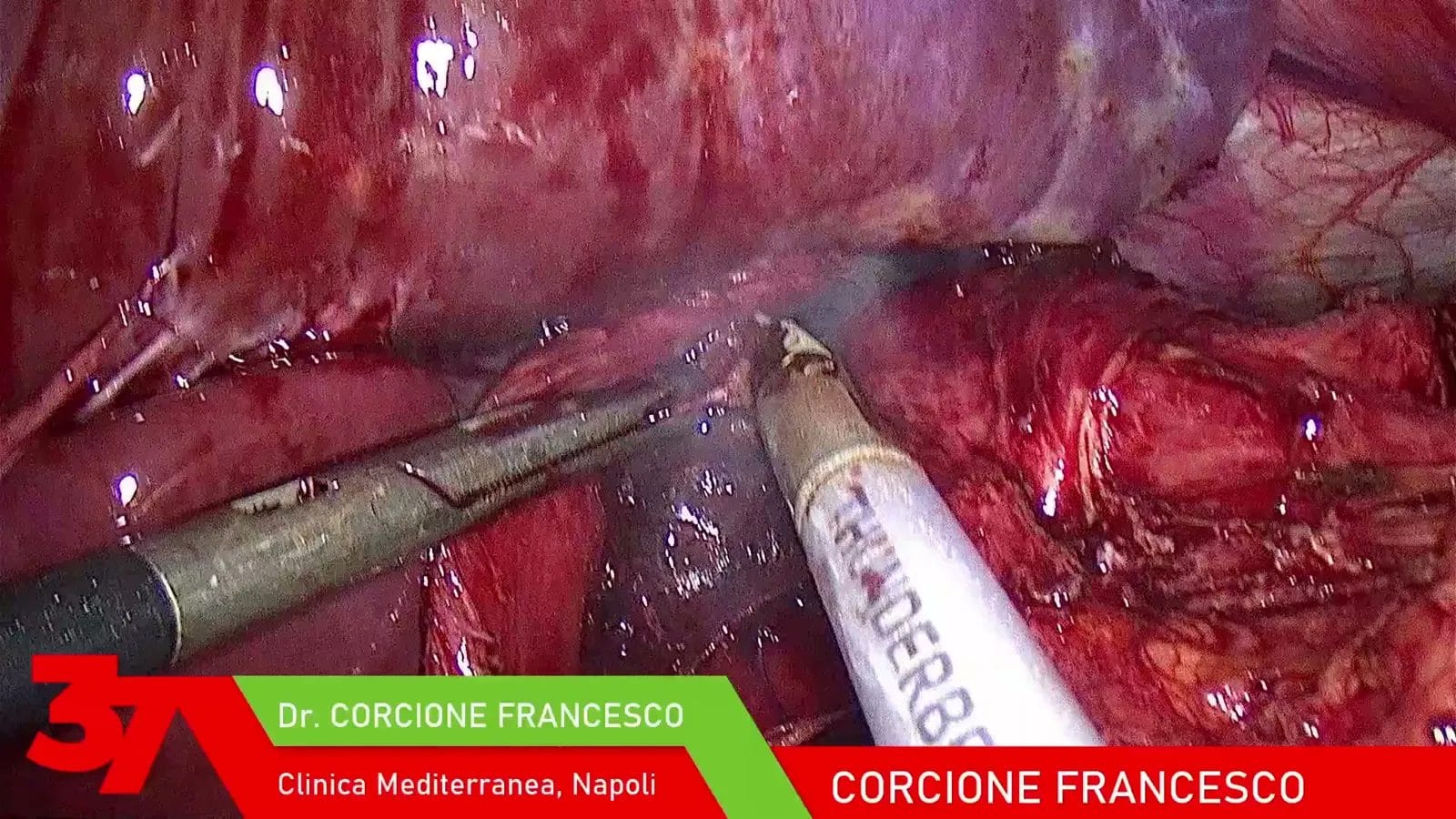
Not everything was perfect, and it is fair to say so. At one point Leda mistook one instrument for another, and Prof. Corcione corrected it live:
«Artificial intelligence, this time you got it wrong. It isn’t the electrosurgical knife, it’s an ultrasonic scalpel.»
The AI moderator took note and corrected its description, and Prof. Corcione replied: “Well done. Great artificial intelligence… I’ve fallen in love with this artificial intelligence.” A few minutes later he added: “Well done, artificial intelligence, now it recognises the type of instrument.”
That is the point of the experiment: a moderator that asks questions, makes mistakes and corrects itself, always guided by the surgeon.
The reasoning behind each step
In live surgery the audience sees the surgeon’s hands but does not always know what the surgeon is thinking: why that dissection plane, why stop there, why that instrument. The AI moderator’s questions make the reasoning behind each step explicit, so viewers learn not only what is done but why.
It replaces no one
The AI moderator takes the place of neither the surgeon nor the moderators. People lead the session; the AI is one more voice that asks questions and widens the discussion. As Prof. Corcione said when closing the session: “Precisely because the artificial intelligence was there, we wanted to give you two rather complex kinds of hiatal hernia.”
An experiment to improve
The AI moderator at the 37th Congress was an experiment, the first of its kind at the Congress. What we saw in the room, mistakes included, helps us improve it: AI moderators return at the 38th Congress, in Rome in November 2027.
The moderator is an artificial intelligence system and can make mistakes. Its comments are not clinical advice: the surgeon always remains responsible for every choice.